The question: “Is it safe to travel to Saudi Arabia right now?” is becoming increasingly important given the rapid regional developments, Saudi Arabia’s growing focus on the tourism sector, and is opening its doors to millions of visitors annually from around the world. It is a safe country for tourists, but you must keep certain cultural expectations in mind and be respectful to the country. This will help you feel much more secure in the country. As you search for the perfect all-inclusive Umrah packages from the UK, go through this comprehensive guide to learn about the safety of tourists and pilgrims in Saudi Arabia.
Is It Safe to Travel to Saudi Arabia Right Now?
Yes, Saudi Arabia welcomed 123 million domestic and international visitors in 2025, surpassing its original Vision 2030 target of 100 million arrivals five years ahead of schedule and total tourism spending reached SR300 billion that year, according to Saudi Arabia’s Ministry of Tourism. That said, the current safety picture is genuinely nuanced. As of early 2026, several major governments have elevated their travel advisories for the Kingdom due to broader regional tensions.
Currently, most major tourist destinations, such as Riyadh, Jeddah, Al-Ula, Abha, Al-Khobar, Diriyah, and the Red Sea, are operating normally, with hotels, resorts, airports, and tourist facilities functioning efficiently.
If you’re wondering: “Is it safe to visit Saudi Arabia at the moment?”, it depends on your travel itinerary. While major tourist areas are generally very safe, it’s generally advisable to avoid areas near some of the southern borders, especially when there are security updates or official alerts.
Current Travel Safety in Saudi Arabia
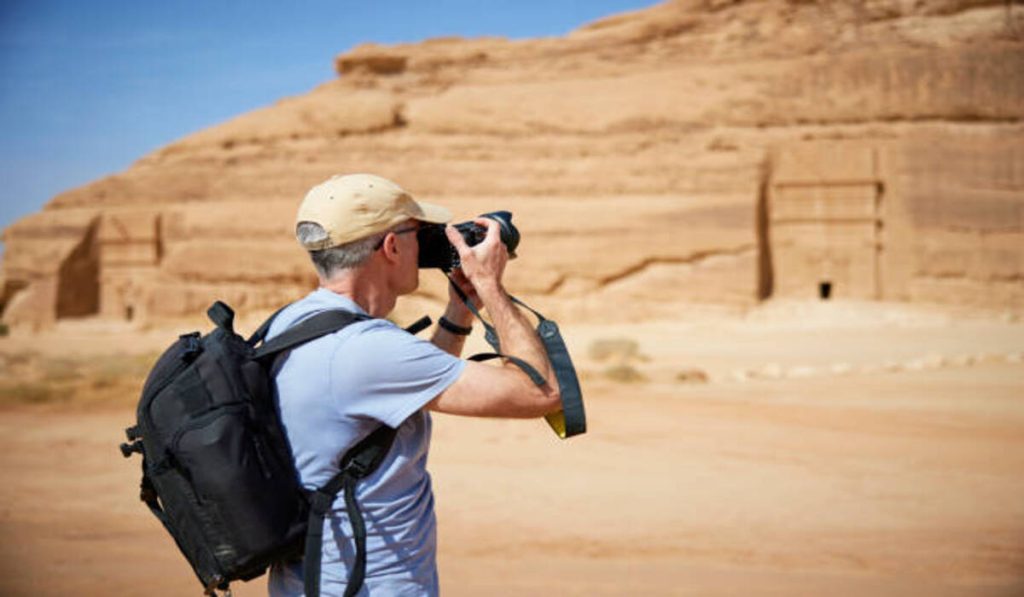
When objectively assessing current travel safety in Saudi Arabia, we find that the Kingdom today offers one of the most stable environments in the region for travelers, especially when compared to the ongoing expansion and growth of the tourism sector. Major international events, global conferences, sporting championships, and cultural festivals are held regularly, reflecting the country’s readiness to welcome visitors.
A strong and Advanced Security Infrastructure
In major cities and tourist areas, visitors will notice:
- Continuous security patrols
- Advanced surveillance cameras
- Tourist support points
- Trained emergency teams
The Numbeo Safety Index ranks Saudi Arabia 14th globally, the highest ranking of any G20 nation, a data point that reflects comparatively low street crime levels in its major cities.
Airports and Air Gateways
Saudi airports are among the most advanced in the region, and are characterized by:
- Modern inspection systems
- Professional crowd management
- Strict security measures
- Support services for travelers
Medical and Emergency Services
The Kingdom provides a very advanced health infrastructure, especially in Riyadh, Jeddah, Dammam, Medina, Mecca, and Al-Ula, and ambulance and emergency services are available quickly and effectively.
Digital Security and Smart Services
Saudi Arabia’s digital infrastructure supports travelers well. Apps like Uber, Careem, and the government’s Tawakkalna platform provide live tracking, navigation, and emergency contacts. Having reliable mobile data is genuinely useful for managing transportation, bookings, and staying updated on any rapidly evolving situations.
Saudi Arabia Travel Advisory Updates
As of March–May 2026, major Western governments have raised their advisory levels for Saudi Arabia due to the broader regional security environment:
- United States: Issued a Level 3 “Reconsider Travel” advisory in March 2026, citing regional conflict risks. The advisory also notes that US citizens have been detained for past social media activity, including posts made outside Saudi Arabia. US government employees were ordered to leave the country on non-emergency basis. You can check the current US advisory at travel.state.gov.
- Australia: Raised its advisory to “Reconsider your need to travel” as of 1 March 2026, citing the volatile security situation and potential for flight disruptions. Check current advice at smartraveller.gov.au.
- UK Foreign Office: Updated its Saudi Arabia travel advice to reflect heightened regional risks.
An elevated travel advisory does not mean all of Saudi Arabia is dangerous for tourists. As multiple travel safety analysts note, most international alerts target specific threat categories and specific zones not tourist hotspots like Riyadh’s cultural districts or AlUla’s archaeological sites.
However, these advisories are issued by governments with intelligence access and should be factored seriously into your planning decision. So, Check your own government’s current advisory, register your trip with your embassy, and purchase comprehensive travel insurance before departing.
Is Saudi Arabia Safe for Tourists?
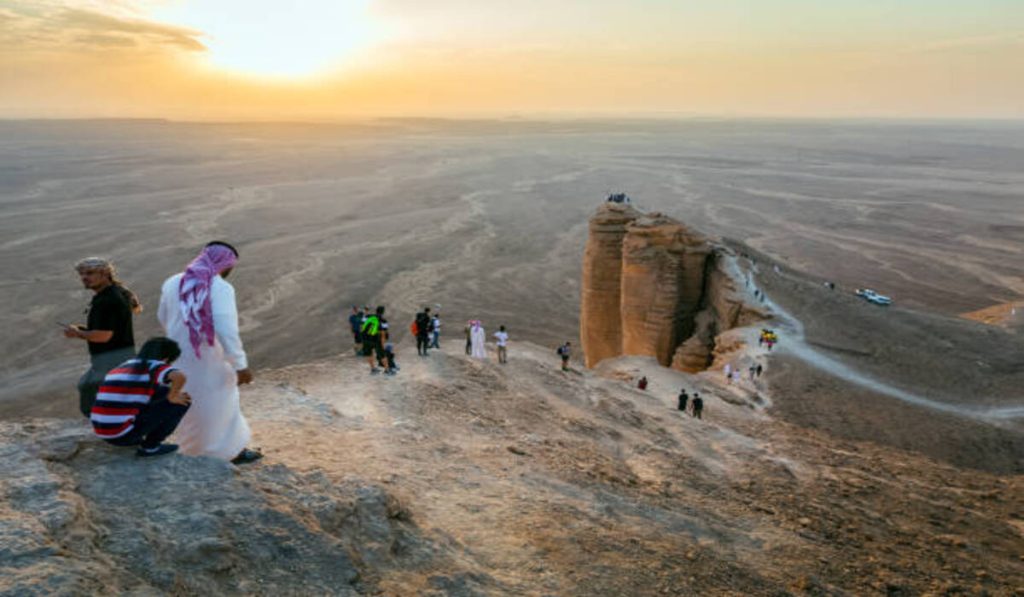
Yes, for the vast majority of visitors, those arriving for cultural tourism, heritage experiences, business, or religious travel, Saudi Arabia presents a low street-crime environment in its major cities. Tourists most commonly encounter practical difficulties rather than physical danger:
- Misunderstanding local laws or cultural norms (the most common source of trouble)
- Heat-related health risks (temperatures regularly exceed 40°C in summer months)
- Road safety: The US State Department explicitly flags speeding, aggressive driving, and high accident rates on Saudi roads as a genuine risk more statistically likely to affect visitors
- Transportation logistics in a very large country
Is Saudi Arabia Safe for Female Travelers?
Yes, the Kingdom has undergone significant changes regarding tourism and welcoming female visitors, and women are now able to travel and move around more easily. Safety factors include:
- An organized public environment, especially in tourist cities.
- The spread of modern applications such as smart transportation.
- Safe accommodations of international standards.
- Respect for privacy is an important element for female travelers.
However, it is essential to respect local laws and customs, adhere to cultural etiquette, choose reliable tour operators, and use official means of transport. The Visit Saudi official website provides regularly updated guidance for female travelers.
Read more: Is Saudi Arabia Safe for Women?
Transportation Safety for Travelers
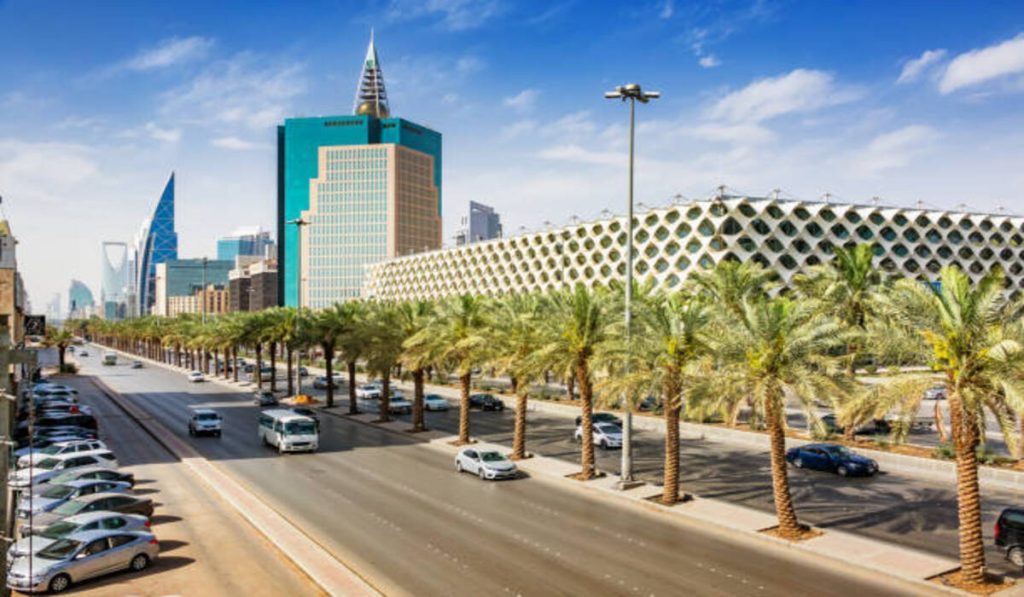
If you are wondering about the level of transportation safety in Saudi Arabia, the answer is that most modern means of transportation in the Kingdom have very good safety standards, especially in major cities and key tourist areas.
Domestic Air Transport
Domestic flights are among the most popular modes of transportation within the Kingdom due to the vast distances between cities. Saudi Arabia boasts an extensive network of flights connecting major tourist destinations. Saudi airports offer several advantages that contribute significantly to enhancing travel safety within Saudi Arabia:
- Advanced security measures are in place, as Saudi airports rely on modern screening systems and international security standards.
- Highly organized traffic flow, especially at major international airports.
- Easy navigation for international travelers with the availability of multilingual guidance services.
- Technical support and assistance services, including immediate help in emergencies.
Trains
The Saudi railway network has witnessed remarkable development. Modern trains offer a highly comfortable and safe experience, particularly on the Haramain High-Speed Railway and the network connecting Riyadh, Qassim, and the Eastern Province. This service is characterized by:
- Punctuality reduces delay problems.
- High level of security thanks to modern operating systems.
- Excellent comfort, especially for families and the elderly.
- Modern and well-organized stations, providing excellent services to travelers.
Smart Transport Applications
Smart transportation apps have become an essential part of the Saudi Arabia visitor experience. The most commonly used apps are Uber, Careem, and licensed local apps. These services are an excellent option because they offer:
- Track the journey live: You can share your location with anyone.
- Clear pricing: reduces the likelihood of exploitation.
- Driver details: Available before the trip begins.
- Immediate support: In case of any problem.
Taxis
They are still available, but less preferred compared to smart applications. When using them, it is recommended to:
- Agree on the price in advance
- Check the license
- Use only official vehicles.
Self-Driving and Car Rental
Many travelers prefer to rent a car, especially when exploring destinations such as Al-Ula, Abha, the Red Sea region, and the open deserts. Driving is generally safe, but long distances require extra attention. Saudi roads are characterized by:
- Excellent quality: Modern and fast road networks.
- Clear directional signs: usually in both Arabic and English.
- Service stations are widespread: especially on main roads.
Safest Cities to Visit in Saudi Arabia
There are a number of cities that have proven themselves to be top tourist-friendly destinations in terms of safety, organization and infrastructure.
Riyadh
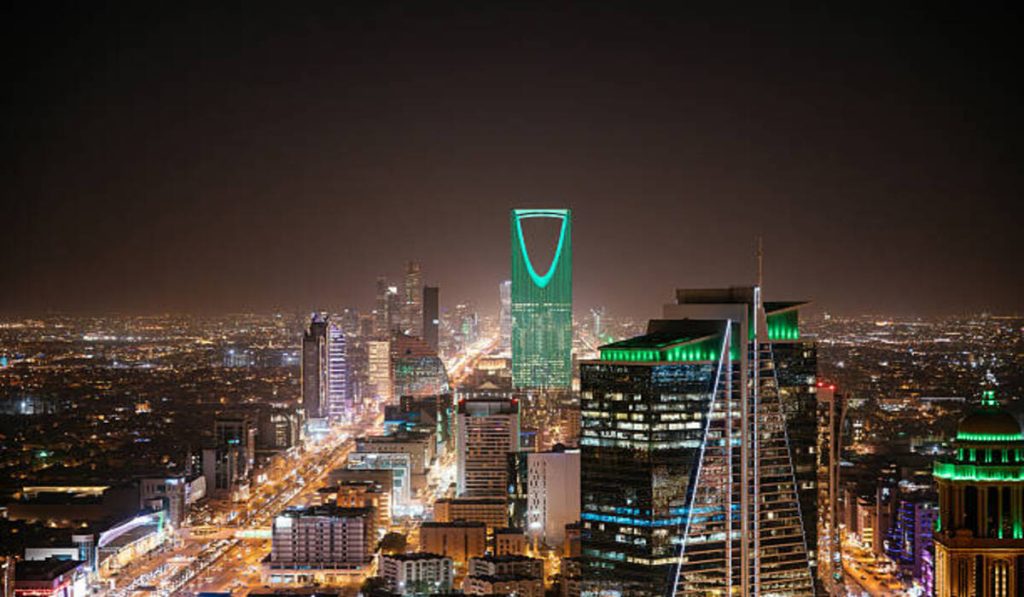
The capital is Saudi Arabia’s most modern and security-focused city. Riyadh Season, which drew a record 17 million visitors in 2025 alone, according to the Vision 2030 annual report, demonstrates the city’s capacity for managing large-scale international events safely. Highlights include the UNESCO-listed At-Turaif District in Diriyah, the National Museum, and a growing restaurant and arts scene.
Safety profile: High security deployment, advanced CCTV infrastructure, well-organized tourist districts.
Read more: Travel Guide to Riyadh
Jeddah
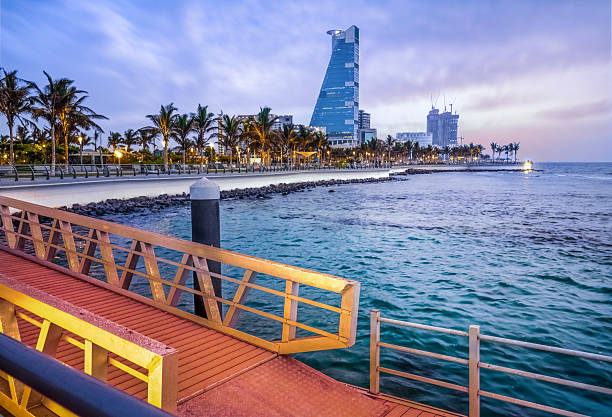
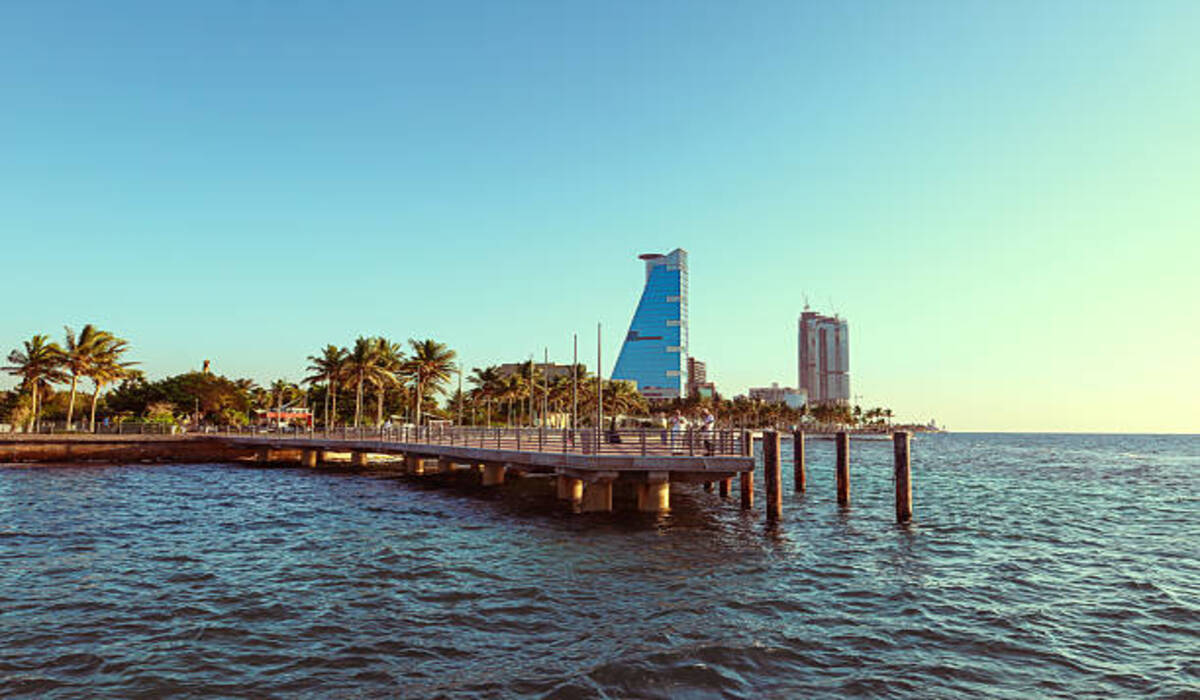
Jeddah combines Red Sea coastline with one of the most relaxed atmospheres in the Kingdom. The Al-Balad historic district (a UNESCO World Heritage Site) and the Jeddah Corniche are major draws. The city is generally considered the most cosmopolitan in Saudi Arabia.
Safety profile: Very active tourist police presence; the city is experienced in handling international visitors given its role as the primary gateway to Mecca for pilgrims.
Al-Ula
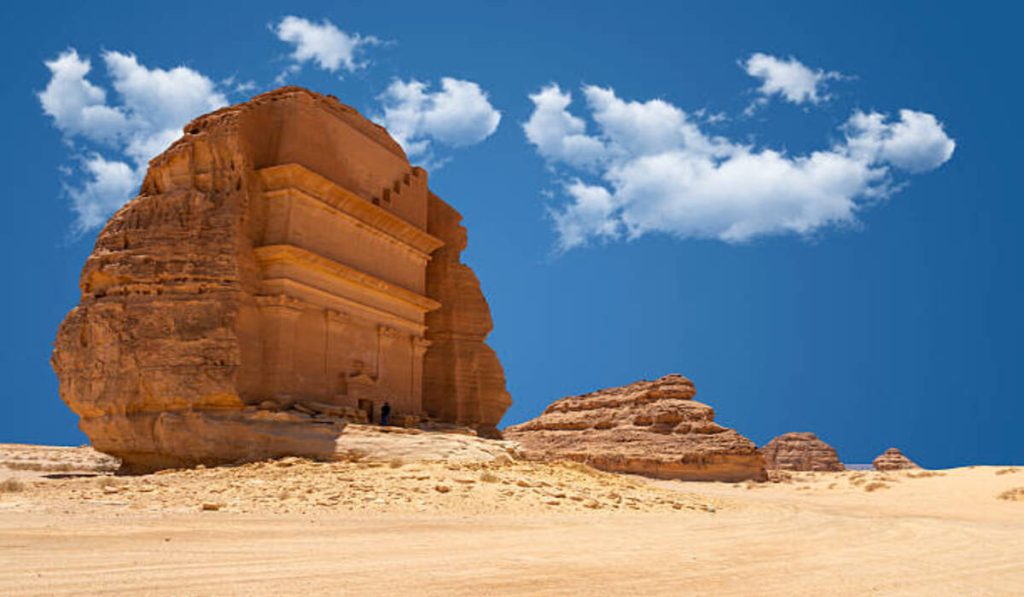
AlUla has emerged as Saudi Arabia’s flagship international tourism destination. The Hegra site, Saudi Arabia’s first UNESCO World Heritage Site attracts visitors from across Europe, Asia, and the Americas. AlUla’s tourism infrastructure has been built largely from scratch to international standards.
Safety profile: Professionally managed tourist environment, strong guide infrastructure, remote desert setting (plan for heat and limited medical access outside the main town).
Abha
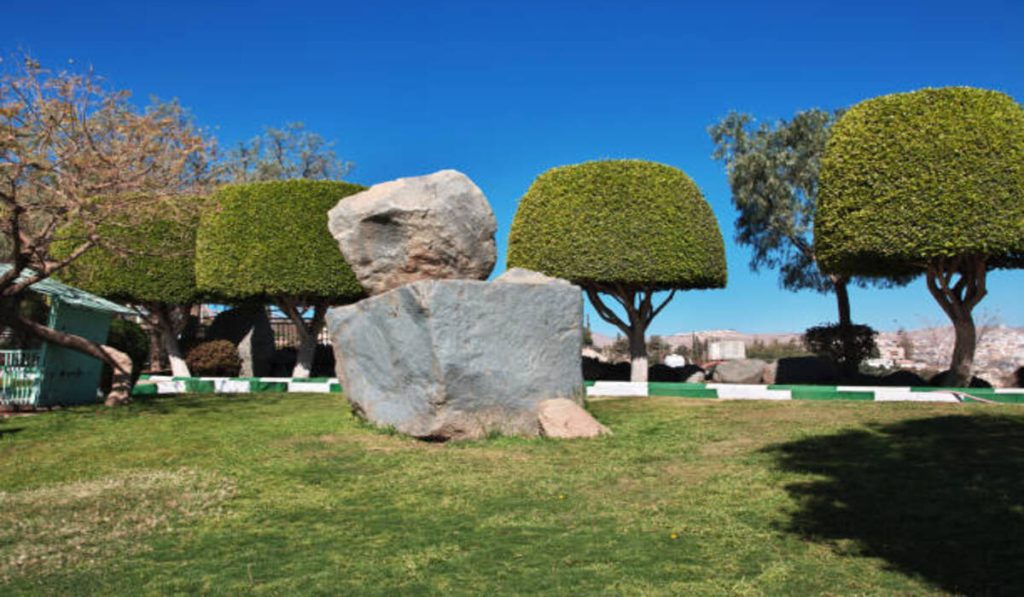
Located in the Asir mountains at an altitude of around 2,200 meters, Abha offers a dramatically different climate to the rest of the country, mild temperatures even in summer. The Asir region is genuinely scenic and is far less visited than the mega-cities.
Safety profile: Peaceful, family-friendly environment; note that Asir Province is closer to the southern border region, check current advisories regarding the broader southwestern area before visiting.
Al-Khobar
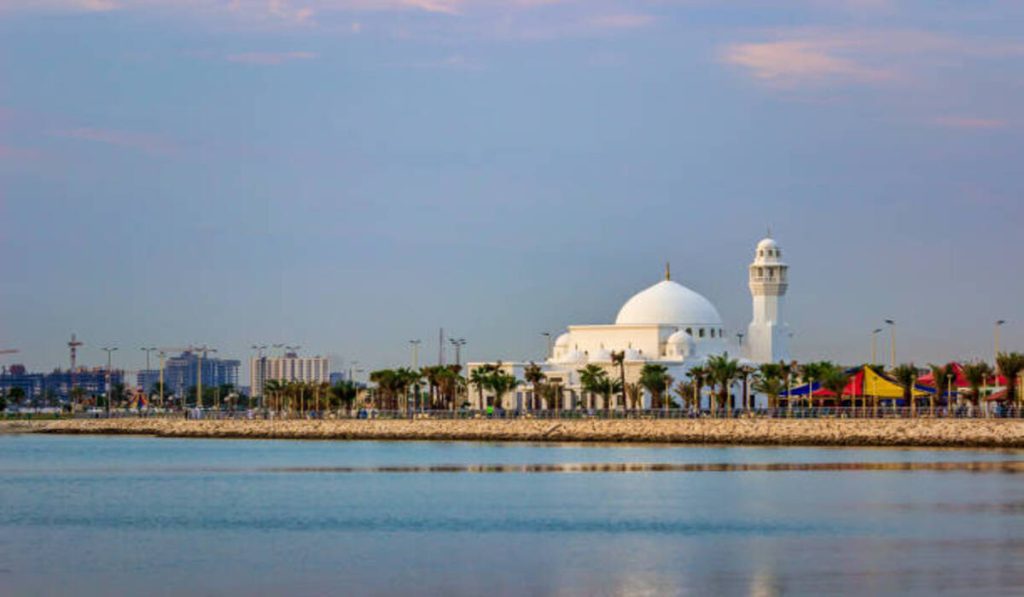
A modern, quiet city on the Arabian Gulf coast, Al-Khobar is popular for business travel and family trips. It is generally considered one of the most organized and well-maintained cities in the Eastern Province.
Safety profile: Low crime, modern infrastructure, welcoming to international business travelers and families.
Diriyah
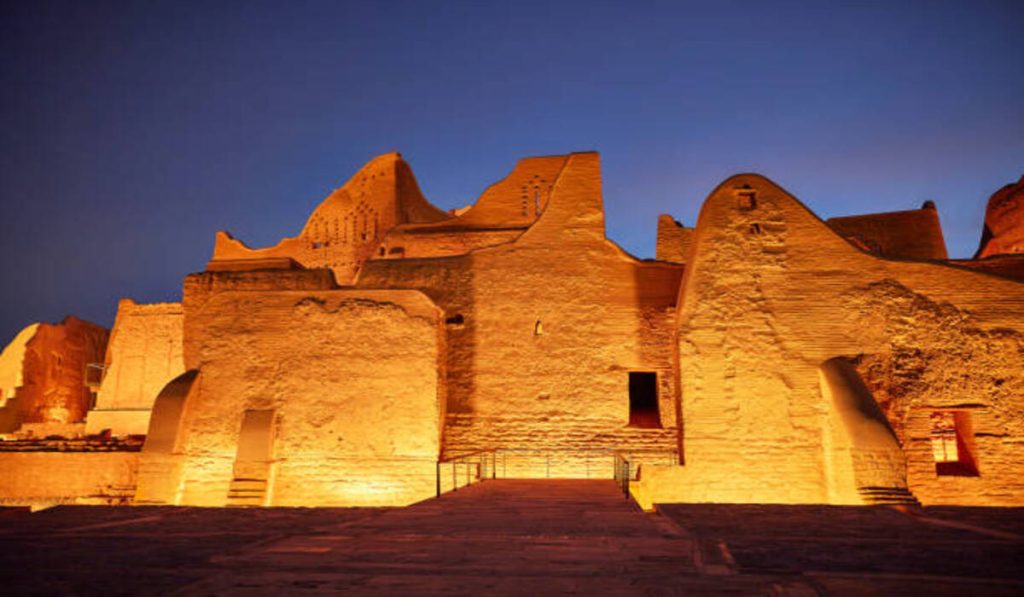
Just outside Riyadh, Diriyah is the birthplace of the Saudi state and now a major heritage tourism project. The UNESCO-listed At-Turaif District features restored mud-brick palaces and cultural institutions. Diriyah is one of Saudi Arabia’s most accessible and well-organized historical sites for international visitors.
Safety profile: Professionally managed tourist destination, very close to Riyadh’s security infrastructure.
Read more: Places to Visit in Diriyah
Safety Overview for Umrah Pilgrims
As we mentioned above, Saudi Arabia hosts millions of religious tourists. These Umrah pilgrims are the guests of Allah Almighty, and the Saudi authorities ensure they are treated as such. Saudi Arabia hosts one of the world’s safest and best-managed religious journeys. You will only feel safety and peace at the pilgrimage sites, no matter how big the crowd is.
Also, if you are availing of reliable Umrah packages from the UK through a trusted Islamic travel agency, you will enhance your safety. These Umrah packages promise;
- Organised group travel and guided support
- Secure accommodation near Haram
- Pre-arranged transport and visa assistance
This saves you a lot of hassle and ensures complete safety and minimal distractions during your time at the pilgrimage sites. Saudi authorities also prioritise the safety of the pilgrims in the holy cities.
Safety Around the Pilgrimage Sites
The pilgrimage sites in Makkah and Madinah are some of the safest places in Saudi Arabia. These are the places where most travellers come; therefore, the security is at its peak. Authorities ensure that pilgrims have the most convenient and safe pilgrimage. To make this possible, they ensure;
- Crowd control systems during peak seasons
- Separate prayer areas for men and women
- 24/7 security presence
Most Islamic travel agencies that offer Umrah packages from the UK, including Bismillah Travel agency, ensure that they offer reliable accommodation, preferably near the Haram. It reduces travel risks and makes you feel a lot more secure.
Cultural Etiquette for UK Travellers
Saudi Arabia is a culturally rich country. Local culture and traditions are greatly influenced by Islam and Islamic teachings. And whoever visits the country, whether for pilgrimage or tourism, must remain respectful of the local culture. It will ensure a smoother, more secure travelling experience.
Here are some things to keep in mind as you plan your trip to Saudi Arabia from the UK.
- Wear modest, loose-fitting clothing
- Women are advised to wear an abaya (though not strictly required)
- Avoid public displays of affection
- Be respectful during prayer times
View our best Saudi Arabia Luxury Tours
Safety for Women Travelling from the UK
Saudi Arabia’s rules on solo female travel have changed over the years. Now, even women are allowed to perform their Umrah alone without their Mahram. If you are a female performing Umrah alone, make sure you avail of a trusted Umrah package to ensure a secure experience. In addition, make sure to stay in well-populated areas, travel with groups when possible, and use hotel-arranged transport.
Transport and Travel Safety
Safe transportation is usually included in the Umrah packages. Bismillah Travel Umrah packages also include transportation for hassle-free travel for the pilgrims. Some of the common safe transport options in the country include;
- Private buses for group transfers
- High-speed trains between Mecca and Medina
- Ride apps like Uber and Careem
You should not worry about road safety in Saudi Arabia. It is generally good. However, you must expect heavy traffic in the holy cities during the peak Umrah season.
Government Support for Pilgrims
Through initiatives like Saudi Vision 2030, Saudi Arabia ensures to provide a safe pilgrimage experience to the Hajj and Umrah pilgrims. This vision also applies to tourists coming to the country to explore its iconic attractions and hidden gems that have remained hidden from the world for the longest time. Some initiatives that make Saudi Arabia safe for tourists and pilgrims include;
- Better crowd management systems
- Smart apps for navigation and guidance
- Improved infrastructure in Mecca and Medina
What to Know Before Traveling to Saudi Arabia
If you are planning a safe trip to Saudi Arabia in 2026, there are a number of essential things you should know before you travel.
Entry Requirements and Visas
Saudi Arabia has significantly expanded tourist visa access. As of 2026, the e-Visa program covers 66+ nationalities, allowing online applications before arrival. Some nationalities can also obtain a visa on arrival. Always verify your specific nationality’s requirements via the official Saudi e-Visa portal well in advance of your trip. Ensure your passport is valid for at least six months beyond your intended travel dates.
Dress Code for Tourists
Women are expected to dress modestly (shoulders and knees covered) in public spaces. Men should avoid sleeveless shirts in conservative areas. Tight-fitting or revealing clothing is not appropriate in most public settings. As the US State Department confirms, women are not legally required to wear an abaya or cover their hair, but modest dress remains expected and culturally important.
Public Behavior Rules
Adhering to public behavior rules is essential for a smooth experience. Therefore, it’s best to respect privacy, avoid overly dramatic behavior in public, and remain quiet in public spaces.
Travel Insurance
It is highly recommended, as it covers medical conditions, flight delays, lost luggage, and emergency situations, and is an essential part of travel precautions.
Emergency Services
Emergency services are available and effective. In major cities, the response is very quick. Large hotels also provide direct support to guests.
Medications
Carry prescription medications in their original packaging with a copy of your prescription. Certain medications legal in your home country may be restricted or prohibited in Saudi Arabia. Verify with the Saudi Food and Drug Authority before travel.
Local Laws and Customs
Saudi Arabia’s legal system carries severe penalties for certain offenses that visitors may underestimate. Beyond alcohol prohibition:
- Respecting prayer times (five times daily, with some businesses temporarily closing) is part of the daily rhythm
- Criticism of Islam or the government in public or on social media carries real legal risk
- LGBTQ+ individuals face genuine legal risk, Saudi law does not recognize same-sex relationships, and discretion is legally, not just culturally, necessary
Resources:
- Saudi Tourism official visitor guidelines
- US State Department Saudi Arabia page
- Your own government’s current travel advisory
Choosing a Reliable Travel Company
If you are looking for a hassle-free experience, booking with Saudi Private Tours offers professional organization, safe transportation, complete privacy, and programs tailored specifically for you.
So, is it safe to travel to Saudi Arabia right now? Yes, travel is generally safe when well-planned, following Saudi Arabia travel advisories, and respecting local laws. Whether you’re looking for culture, adventure, luxury, or exclusive experiences, the Kingdom offers an exceptional opportunity to discover a unique destination that blends tradition and modernity.
Book your trip today and get ready to experience a journey like no other!
Contact us now and we’ll take care of every detail of your dream!
People Also Ask
Is there Any Threat to Saudi Arabia?
There are no general threats affecting most major tourist areas, but it is always advisable to follow official updates. Check your government’s current advisory for the latest assessment. US travelers should consult travel.state.gov.
Is Saudi Arabia Safe for Families with Children?
Yes, the Kingdom provides a very family-friendly environment, with excellent hotels and recreational facilities.
Can Non-Muslims Visit Saudi Arabia Safely?
Yes, the Kingdom welcomes all visitors, with the requirement to respect local laws and customs.
What Is the Emergency Number in Saudi Arabia?
Police: 999 | Ambulance: 911 | Fire: 998